Service Robots in Hospitality and Retail: What They Actually Do Today
By MKIT Team · 22 Jul 2026
A few years ago a robot in a hotel lobby was a marketing stunt. Today it is increasingly a working member of the team. The technology has quietly crossed the line from novelty to utility, and the reason is simple: the jobs that never stop — delivery, guidance, self-service, monitoring — are exactly the jobs a well-built robot can do reliably, around the clock, without tiring.
Here is a grounded view of where service robots earn their place right now.
Delivery and service in hospitality
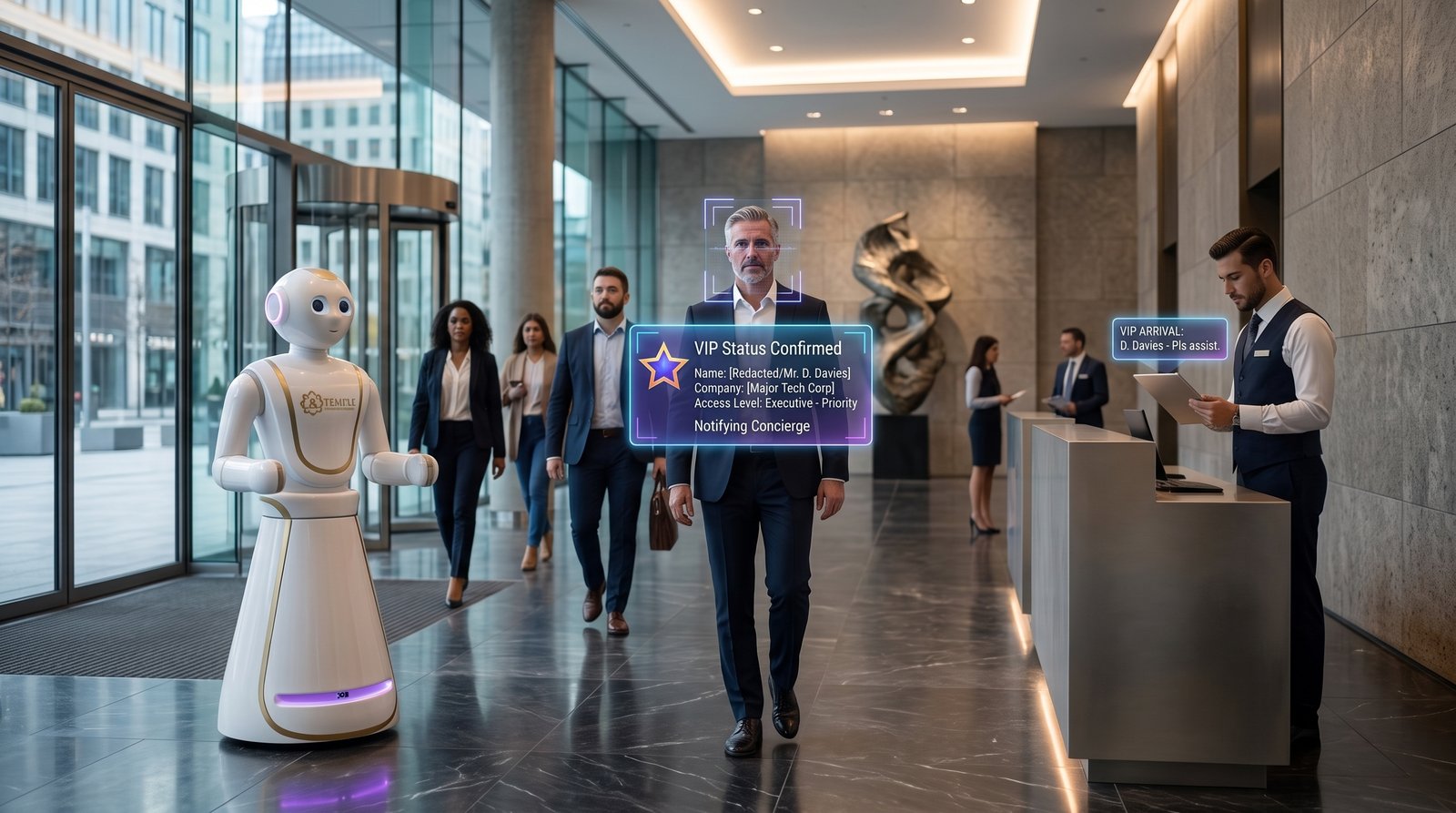
In hotels, hospitals and corporate buildings, a large share of staff time goes into moving small things from one place to another: an amenity to a room, a document between floors, a tray to a table. A service robot with autonomous navigation and multi-floor capability can take over these repetitive trips, freeing human staff for the work that actually needs a human — hospitality, care, judgement. This is the role the RoboServe unit is built for: always-on service in guest-facing environments.
Self-service where queues form
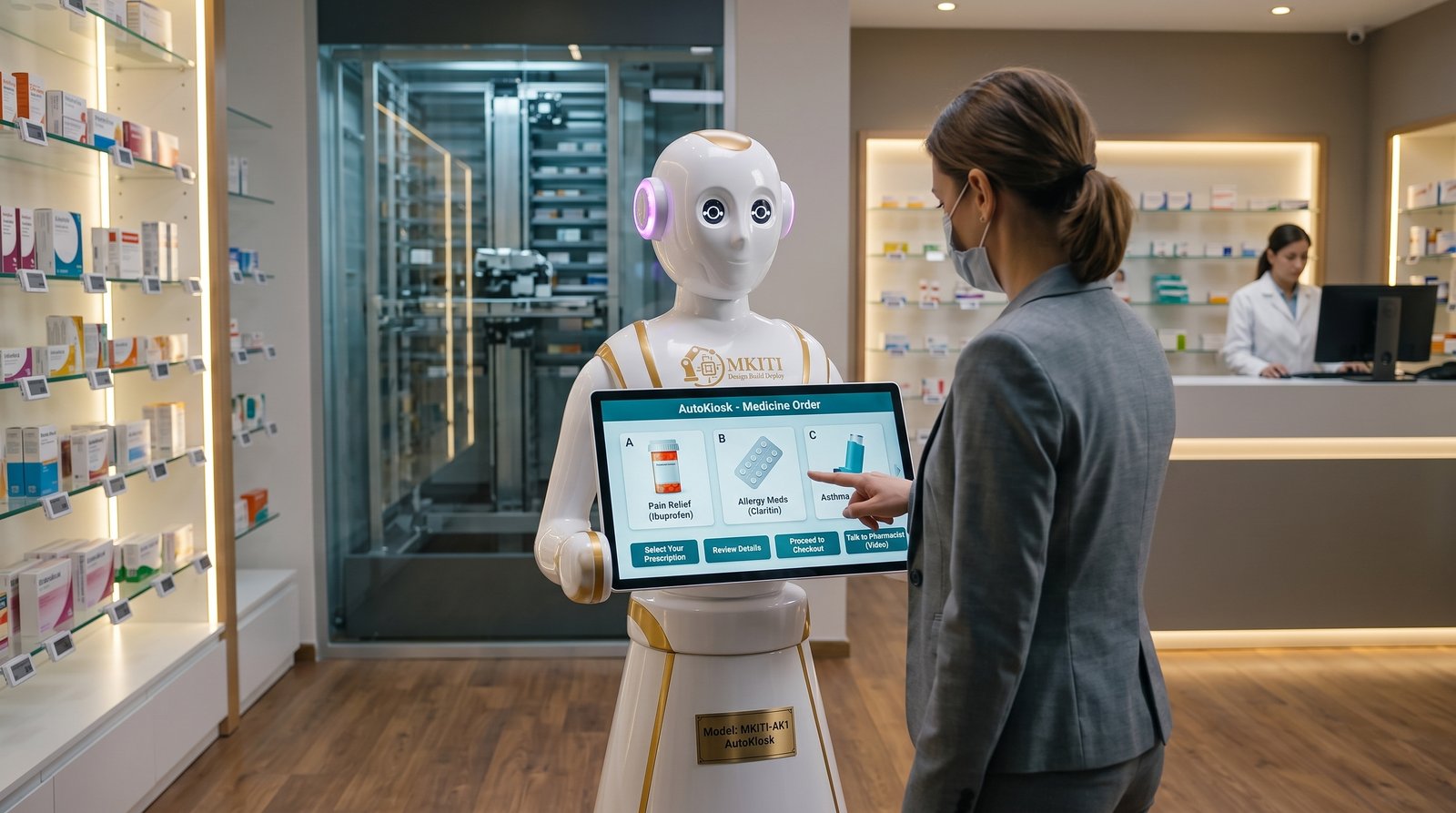
Anywhere people wait in line to get information or complete a simple transaction is a candidate for automation. A self-service kiosk robot can handle check-ins, information requests, and straightforward purchases, cutting queues and staying available outside staffed hours. In retail, airports and government service centres, this both improves the visitor experience and reduces the load on front-desk staff. The AutoKiosk robot is designed for exactly these self-service points.
Events and engagement
Some robots earn their keep through interaction itself. A mobile, autonomous unit that navigates a space and engages guests — capturing and sharing photos at an event, drawing attention at a mall activation — creates the kind of memorable moment brands pay a lot to manufacture. The LiveSnap robot fills this engagement role.
Security and monitoring
The newest and fastest-growing category is autonomous monitoring. A patrolling robot with on-device AI vision can watch an environment continuously, detect events, match against a watchlist locally, and alert a command centre in real time — all without streaming sensitive footage off-site. For retail loss prevention, banking, campuses and transport hubs, this adds a tireless layer of awareness. The MK Sentinel robot is built for this watchlist-aware security role, with matching handled on the device itself.
What they all have in common
The interesting thing about these robots is not that they are four different products — it is that they run on the same foundation. Autonomous navigation, on-device AI, real-time decisioning and connectivity are the same core capabilities, applied to different jobs. That shared platform is what makes them reliable in demanding, unattended, public settings, and what lets a deployment start with one robot and grow into a fleet.
What to consider before deploying
Three questions help decide if a service robot fits. First, is the task repetitive and well-defined? Robots excel at consistent, repeatable work, not open-ended judgement. Second, is the environment navigable? Modern robots handle busy public spaces well, but the layout still matters. Third, what is the real goal — cutting cost, improving experience, adding capability, or all three? Being clear on the goal makes it easy to measure whether the deployment worked.
Service robotics is no longer a glimpse of the future — it is a practical tool available now. The organisations getting value from it are the ones that start with a clear, repetitive job and a platform built to run reliably in the real world.
If you are exploring where a service robot could fit in your operation, our team is happy to talk it through.